
Blood Clotting Disorders: Types, Causes, Symptoms, Diagnosis
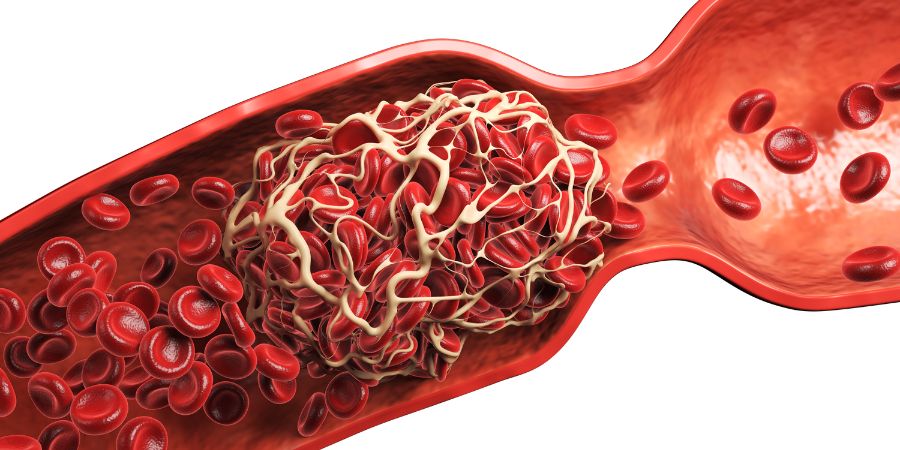
Clotting of the blood is a normal process and is necessary to prevent the bleeding after an injury. Nevertheless, such a process may result in severe health issues in case it does not work correctly. Blood clotting disorders are those in which the body forms clots either too easily, not easily enough or at improper times. All individuals may be impacted by these conditions which can be mild or life-threatening unless they are identified and treated early enough.
As people are becoming more aware and have access to quality healthcare, early diagnosis with a Best Diagnostic Centre or Best Pathology Labs is vital in avoiding complications associated with the clotting disorders. The interpretation of the conditions can assist people to identify the warning signs in early stages and obtain timely medical attention.
What Is a Blood Clotting Disorder?
Blood clotting disorder refers to a medical ailment where the normal clotting mechanism of the body fails to work. In normal conditions, blood clotting is used to close wounds and to avoid excessive bleeding. As soon as the healing process starts, the clot is naturally dissolved by the body. In blood clotting disorders, this system is disturbed.
There may be too much clotting for some individuals without an injury, which blocks the blood vessels. Some of them might suffer excessive bleeding due to the inability of the blood to clot correctly. The types of disorders may be in the form of veins, arteries or internal organs.
Blood clotting disorders can be both inherited and acquired later in life as a result of sickness, drugs or lifestyle. In order to get proper medical help if you notice any of the symptoms, you can search for Diagnostic Centres near me or Diagnostic Labs near me and get checked.
Types of Blood Clotting Disorders
Blood clotting disorders are generally categorised depending on excessive bleeding or excessive clotting. All types possess their own abnormality and risks.
Excessive clotting disorders are the type where the blood gets clotted very easily or the clotted blood does not get dissolved. This particular condition creates a blockage in the flow of blood to essential parts of the body and organs. This can increase the risk of conditions like deep vein thrombosis, pulmonary embolism, stroke, or heart attack. These disorders often remain unnoticed until a serious incident occurs, which is why preventive testing in the best diagnostic centre for blood tests is very essential for those at risk.
On the contrary, bleeding disorders are triggered by the absence of essential clotting factors or platelets in the blood. This causes major bleeding from minor cuts or nosebleeds, or excessive bleeding in the post-surgery period. In extreme circumstances, internal bleeding can occur.
Some types of blood clotting disorders are inherited and genetic, while others develop as a result of underlying illnesses. High-level testing in diagnostic centres helps distinguish between these kinds and guides the right management approach.
What Causes Blood Clotting Disorders?
Blood clotting disorders have different causes, according to the type, and they are either inherited or acquired. Inherited clotting disorders are significantly contributed by genetic factors. In this, mutations in the genes of clotting factors or proteins are transmitted across families.
The acquired clotting disorders emerge as a result of medical disorders including liver disease, autoimmune disorders, infections, or hormonal disorder. Some of the other reasons that interfere with clotting ability can be drugs like blood thinners, oral contraceptives, and chemotherapy drugs.
Excessive immobility, obesity, smoking, dehydration and physical inactivity are also some of the lifestyle activities that cause clotting disorders. Pregnancy and old age also play a major risk factor since the hormones and poor blood flow can change the patterns of the clots.
The root cause cannot be determined without extensive blood examination, hence it is necessary to visit the Best Pathology Labs or a Best Diagnostic Centre to get the accurate diagnosis.
What Are the Symptoms of Blood Clotting?
The symptoms of blood clotting disorders may vary greatly as they may either lead to excessive clotting or excessive bleeding. In other instances, the symptoms can be mild or nonexistent until they become complicated.
The effects of excess clotting can be swelling, pains, warmth, or redness of the limbs, particularly legs. The abrupt breathlessness, chest discomfort, palpitations of the heart, or coughing of blood can be indicative of a clot in the lungs and demand an immediate response. Several headaches, blurred vision, or weakness on one part of the body can be an indicator of clot-related neurosurgical problems.
Bleeding disorders can be manifested in the form of frequent bruises, slow bleeding after injuries, heavy menstruation, gums bleeding, and frequent nosebleed. Others can also have blood in their urine or stool or excessive bleeding due to dental procedures or surgery.
The symptoms may be confused with other ailments thus it is important to be diagnosed properly with the help of laboratory confirmation by either Diagnostic Centres or you can seek for Diagnostic Lab near me.
How Is Blood Clotting Disorder Diagnosed?
Diagnosis of blood clotting disorders is done through elaborate medical history, physical examination and special blood tests. The doctors will examine the family history, previous medical conditions, use of medications, and prior clotting or bleeding.
Laboratory testing is the foundation of diagnosis, as the blood tests assess the duration of clotting, platelet functioning, and concentrations of selected clotting elements. Further studies can be necessary to find genetic mutations or auto immune factors.
By selecting Best Diagnostic Centre for Blood Tests, one guarantees the accuracy and reliability of testing. Diagnostic Centres are modern with well-trained specialists who can interpret results accurately with the help of advanced analyzers.
Why Early Diagnosis Matters?
Blood clotting disorders may cause severe and even fatal complications in the absence of treatment. The early detection allows in prevention of stroke, pulmonary embolism and severe internal bleeding. Early intervention is also beneficial for quality of life in terms of minimizing the symptoms and avoiding frequent episodes.
As the Diagnostic Centers have now well-developed testing facilities, persons with risk factors of family history, pregnancy, chronic illness, or unexplained symptoms should consider regular screening.
Conclusion
Blood clotting disorders are complicated conditions that should be noted and properly diagnosed in time. Regardless of the type of the problem, excessive clotting or abnormal bleeding, it is necessary to have a clear understanding of the underlying cause in order to be able to treat and prevent complications.
Emboldenments in laboratory tests have facilitated on-time diagnosis of such disorders with the Best Diagnostic Centre services and Best Pathology Labs.
Timely diagnosis, effective healthcare advice, and regular check-ups would go a long way in mitigating risks and ensuring that people live more successful, healthy lives.
Get in touch for any enquiry

We will contact you shortly.


