
Diet Chart for Weight Loss for Both Men and Women
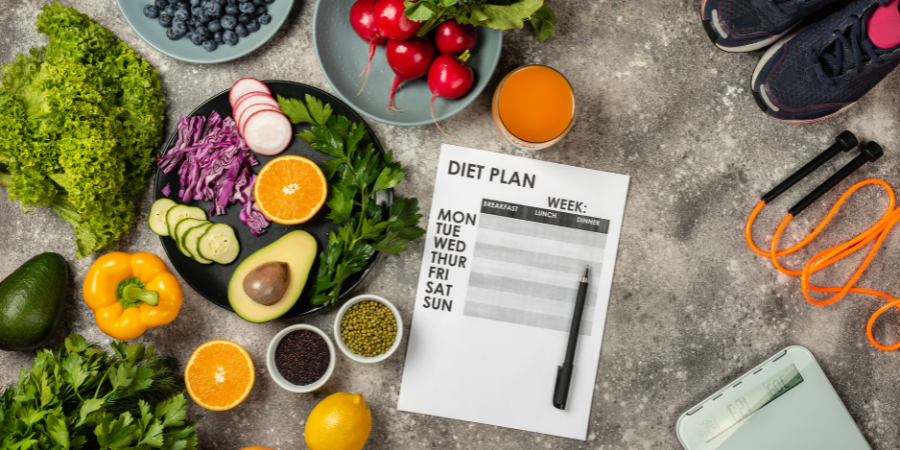
The question of weight loss does not only concern the appearance of being fit and healthy, but also has a close connection to the overall well being, energy and health in long term. In the current living style in which sedentary habits, stress, and abnormal diets are the order of the day, both men and women are starting experiencing a lot of problems such as weight gain, hormonal imbalances, diabetes, and heart risks. With proper physical exercise and medical advice, a properly designed diet list will allow one to lose weight in a sustainable way and not damage the body.
It is always good to have your health checkup before starting with a weight loss diet program. This can be used to recognise the underlying conditions like thyroid imbalance, insulin resistance, vitamin deficiencies or other metabolic disorders that can influence weight management. Diagnostic centres such as Chandan Diagnostic Centre assist people by giving a precise health report of an individual so that diet plans may be more effective and individualised.
Best Diet Plans in order to lose weight
The most effective weight loss diet is a balanced diet plan that is practical and sustainable in the long run. Crash diets or extremely low-calorie plans may show quick results, but they often lead to nutritional deficiencies, fatigue, and even weight regain. A healthy weight loss diet focuses on controlling food intake, choosing nutrient-dense foods, and maintaining stable blood sugar levels throughout the day.
An appropriate diet regime should include the following:
- Choose complex carbohydrates instead of simple sugars to maintain stable energy levels.
- Include adequate protein to help maintain muscle mass and support metabolism.
- Consume healthy fats in moderation to support overall body functions.
- Ensure a sufficient intake of fiber through fruits, vegetables, and whole grains.
- Drink adequate water throughout the day to stay hydrated and support digestion.
Traditional Indian diets can be very effective for weight loss when properly planned. Foods such as dal, fresh vegetables, curd, seasonal fruits, and whole grains are highly nutritious and can help maintain a balanced diet when consumed in the right portions and combinations.
Weight Loss Diet Plan for Men According to the Indian Diet
Men generally have higher muscle mass and greater caloric requirements compared to women. However, they are also more prone to fat accumulation around the abdominal area due to stress, alcohol consumption, and irregular eating habits. A healthy weight loss diet plan for men should focus on reducing visceral fat while preserving muscle strength and overall energy levels.
A typical Indian weight loss diet plan for men can include the following:
- A protein-rich breakfast such as boiled eggs, paneer, or sprouts combined with vegetables.
- Mid-morning fruits like apple, papaya, or guava to control hunger and provide natural energy.
- A balanced lunch with controlled portions of roti or rice, dal or lean protein, vegetables, and curd.
- Healthy evening snacks such as roasted chana, nuts, or sprouts in moderate quantities.
- A light dinner consisting mainly of vegetables and protein sources while avoiding heavy carbohydrates at night.
Men should also limit the intake of sugar, fried foods, packaged snacks, and sugary beverages. Regular health checkups are important to monitor cholesterol levels, blood sugar levels, and liver health, as these factors play a significant role in fat metabolism and overall weight management.
Indian Diet: Weight Loss Diet Plan for Women
Women often experience weight fluctuations due to hormonal changes, pregnancy, menopause, and deficiencies in essential nutrients such as iron and calcium. Therefore, a healthy weight loss diet plan for women should focus not only on reducing weight but also on maintaining hormonal balance and proper nutrition.
A balanced Indian diet plan for women may include:
- A light yet nutritious breakfast such as vegetable poha, oats, or idli with sambhar.
- Mid-morning options like seasonal fruits or coconut water to maintain hydration.
- A balanced lunch including moderate portions of roti or rice, vegetables, dal, curd, and salad.
- Healthy evening snacks such as makhana, fruits, or herbal tea.
- An early and light dinner that includes vegetables along with protein sources like paneer, tofu, or dal.
Women should avoid skipping meals, as it may slow down metabolism and increase cravings later in the day. Regular health checkups can also help detect nutritional deficiencies or hormonal imbalances that may affect the weight loss journey.
Eating Plan of 7 Days to Lose Weight
A weekly diet plan helps create structure and prevents impulsive eating habits. Following a planned routine also ensures balanced nutrition while supporting healthy and sustainable weight loss. Below is a simple 7-day Indian eating plan that focuses on portion control and nutrient-rich foods.
- Day 1–2: Avoid sugar and fried foods. Focus on vegetables, dal, curd, fruits, and whole grains.
- Day 3–4: Introduce lean protein sources such as paneer, eggs, tofu, or legumes while keeping portion sizes moderate.
- Day 5: Include healthy fats like nuts and seeds in small portions to support energy and metabolism.
- Day 6: Emphasize fluids, soups, and fiber-rich foods to improve digestion and hydration.
- Day 7: Follow a low-calorie meal plan, reduce carbohydrates, and eat dinner early for better metabolism.
This rotating meal plan keeps the diet interesting while ensuring balanced nutrition. When combined with daily activities such as walking, yoga, or light exercise, it can support steady and consistent weight loss.
The Use of Health Monitoring in the Process of Losing Weight
Weight loss is not only about diet and exercise; it also depends on how your body responds to these changes. Conditions such as thyroid imbalance, PCOS, insulin resistance, or vitamin deficiencies can slow down weight loss even when a person follows a strict diet plan. Therefore, regular health monitoring plays a crucial role in managing weight effectively.
A comprehensive health checkup for weight loss provides valuable insights into metabolic rate, hormone levels, blood sugar, cholesterol levels, and overall nutritional status. Based on these results, doctors and nutritionists can personalize diet plans and lifestyle recommendations for better outcomes.
Reliable diagnostic centres such as Chandan Diagnostic Centre offer advanced testing services and accurate reports that help healthcare professionals design effective weight management strategies.
Conclusion
Healthy weight loss requires a balanced approach that combines proper nutrition, consistent lifestyle habits, and regular health monitoring. Both men and women can benefit from well-planned Indian diets that include nutrient-rich foods without relying on extreme or restrictive dieting methods.
Sustainable weight loss focuses on building long-term healthy habits rather than short-term solutions. Before beginning any weight loss program, it is advisable to undergo a complete health checkup to ensure the process is safe and tailored to your body’s needs. With the right diet, regular exercise, and professional medical guidance, achieving and maintaining a healthy weight becomes both possible and sustainable.
Get in touch for any enquiry

We will contact you shortly.


