
Hashimoto’s Thyroiditis: The Autoimmune Disease Rising Silently in India
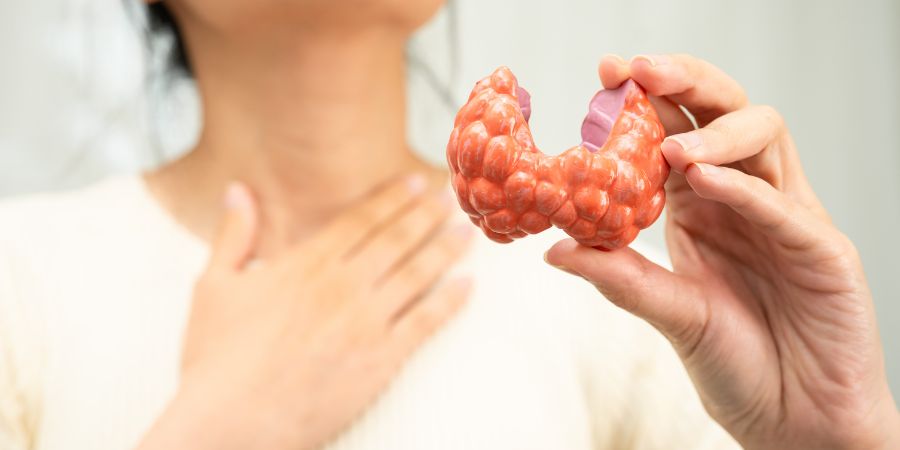
There is a large number of people suffering from thyroid disorders in India, irrespective of their age. Many people know about hypothyroidism, hyperthyroidism, but few know about Autoimmune Thyroid Disease or what happens when one's body's immune system begins attacking the thyroid gland. Discussed here is one of the most widespread types of thyroid condition: Hashimoto's Thyroiditis an ailment frequently happens gradually that might not be diagnosed until thyroid hormone levels are substantially lowered.
One of the difficulties of dealing with Hashimoto's Thyroiditis is that people mistake everyday issues for stress, ageing or a busy life with it. Fatigue, weight gain, dry skin and mood swings – problems that are often overlooked until they become the issue in everyday life. Therefore, it is of paramount importance to regularly check and diagnose thyroid timely. Knowing what the signs of the condition are, and knowing when to get help, can make it possible for them to prevent possible long term health effects.
What Is Hashimoto’s Thyroiditis?
Hashimoto's Thyroiditis is an Autoimmune Thyroid Disease in which the thyroid function is gradually diminished. Thyroid gland in the front of the neck produces thyroxin, which affects energy, body temperature, activity, heart and more. Production of hormones from this gland is reduced when the immune system attacks the gland and sometimes to a point where a person may develop hypothyroidism.
The problem is that Hashimoto's Thyroiditis takes time to develop and last for several months or years as compared to infections or temporary thyroid problems. So many people go through their life without knowing that their thyroid function is declining from day to day. At the time of any symptoms, the disease may already be impacting several body systems.
While anyone can experience Hashimoto's Thyroiditis, the majority of cases of hashimoto's thyroiditis are in women and typically fall within the age bracket of 30 to 50. There is an increased risk for individuals with family history of a thyroid or other autoimmune disease. Fortunately, the symptoms of Hashimoto's Autoimmune Thyroiditis can be managed successfully with timely diagnosis by using the appropriate Diagnostic Tests, and adopting a healthy, active lifestyle.
Symptoms and Warning Signs of Hashimoto’s Thyroiditis
Another reason for Hashimoto's Thyroiditis to frequently go undiagnosed is because the symptoms are gradual. Many people consider the early signs to be brought about by stress, sleep deprivation, declining diet, or simply the aging process. However, as thyroid hormone production continues to decrease, these symptoms become more frequent and start to impact one's overall health.
Some of the most common Thyroid Disease Symptoms include:- Chronic tiredness and weakness
- Weight gain for unexplained reasons, even when a person does not increase their food consumption
- Cold sensitivity
- Dry and brittle hair
- Constipation
- A swollen face and/or neck
- Depression, anxiety, or mood swings
- Impaired ability to focus or frequent forgetfulness
- Muscle weakness and joint pain
- Irregular menstrual periods in girls and women
Some people may not experience all of these symptoms, while others may have them with varying levels of severity. This is why relying on symptoms alone is not enough to confirm the condition. If these symptoms persist for several weeks, consulting a healthcare professional and undergoing a Thyroid Function Test can help determine whether your thyroid is functioning normally.
Causes and Risk Factors of Hashimoto’s Thyroiditis
The exact cause of Hashimoto's Thyroiditis remains unknown, though it is believed that it occurs through a combination of genetic, hormonal and environmental causes. In predisposed individuals, the immune system's attack is directed against healthy tissue of the thyroid. The immune reaction, over time, injures the thyroid and causes it to make less thyroid hormone.
There are a few factors that are known to raise the likelihood of the condition. If a family member has a thyroid or autoimmune condition, then you have a much higher risk of developing Hashimoto's Thyroiditis. This happens much more often in women, possibly also due to hormonal changes. Other causes are over-activity of the thyroid, long-term stress, viral infections, hormonal changes during pregnancy, and some medications that affect the body's immune system.
As the disease may affect the thyroid gland silently, it has become more important than ever to have regular Thyroid Screening in India, especially for those who have known risk factors. Doctors can be able to detect thyroid conditions before they reach a serious stage with regular screening and offer treatment if necessary as early as possible. If you have a family history of thyroid disease, preventive thyroid screening can be a significant measure you can take towards long-term thyroid health.
Diagnostic Tests for Hashimoto’s Thyroiditis
Lab tests are of critical importance because the symptoms of Hashimoto's Thyroiditis can also be present in many other health conditions. A number of blood tests are typically ordered to check thyroid hormone levels and determine whether the immune system is attacking the thyroid gland. Early and accurate diagnosis not only helps identify the condition but also allows doctors to create the most effective treatment plan.
The following are some of the most frequently recommended diagnostic tests for Hashimoto's Thyroiditis:
Thyroid Function Test: Evaluates thyroid hormones, including T3, T4, and TSH, to assess how well the thyroid gland is functioning.
Thyroid Profile Test: Provides a comprehensive assessment of thyroid health and helps detect any thyroid hormone imbalance.
Thyroid Antibody Test: Measures antibodies produced by the immune system that attack the thyroid gland, helping confirm the presence of an autoimmune thyroid disorder.
Anti-TPO Test: One of the most important tests for diagnosing Hashimoto's Thyroiditis. It detects antibodies against thyroid peroxidase (TPO), and elevated levels strongly indicate an autoimmune attack on the thyroid.
Your doctor may also consider an ultrasound of your thyroid gland to determine the gland's size and structure in some cases, particularly when swelling and thyroid nodules are suspected. The use of the clinical evaluation in conjunction with these laboratory investigations will help to make an accurate diagnosis and will help to distinguish Hashimoto's Thyroiditis from other thyroid disorders.
Don't wait and get tested if you've been feeling Thyroid Disease symptoms that won't go away well, cold sensitivity, hair loss, weight gain and fatigue. Finding a trustworthy diagnostic centre for thyroid test, such as The Chandan Diagnostic Centre, and selecting one of their Thyroid Tests near me or Thyroid Profile Test near Me can help you get correct results and extremely prompt health care. .
Treatment Options and Lifestyle Management
While Hashimoto's Thyroiditis treatment will not cure your thyroid disease, it can control the condition if necessary with proper treatment and healthy lifestyle. The main treatment is to normalize the levels of thyroid hormone and treat symptoms of the condition and complications of hypothyroidism.
Physicians prescribe thyroid replacement medication to patients to replace thyroid hormones the thyroid has lost the ability to make. The dosage will be specifically administered to the patient taking into consideration their age, their symptoms, their medical history and lab results. Follow-up visits are necessary and periodic follow-up Thyroid Function Test or Thyroid Profile Test is necessary to ensure thyroid medication is effective and thyroid hormone is held in the normal range.
Medication alone, however, is not enough.Living with it also has an impact on how you manage it. Although a strong natural instinct to sleep in the night, it still can be very beneficial to stay active, eat a well-balanced diet, high in fruits and vegetables, lean protein and whole grains and handle stressors to help maintain your health and allow well-being to be good. Patients should also use medications who are not directed to do so and should stay away from iodine supplements as they can aggravate some autoimmune thyroid diseases.
There is no cure for Hashimoto's Thyroiditis so it is essential to monitor this condition continually. At least once a year you should have routine health examinations and take your doctor's advice for having a healthy active lifestyle despite having this condition.
Why Early Detection Is Important for Thyroid Health
It takes a long time for Hashimoto's Thyroiditis to develop, so it may not be diagnosed for many years. In this period, thyroid function starts to weaken and can slowly impact nearly all systems of the body causing symptoms of fatigue, weight gain, high cholesterol, fertility problems, depression, and cardiovascular problems. Early detection enables treatment to be started before such problems become an issue in your life.
The increasing prevalence of thyroid disorders in all age groups is making the routine Thyroid Screening in India more significant. People whose family member(s) had thyroid disorders, autoimmune disorders, diabetes, or other unexplained Thyroid Disease Symptoms may want to have periodic thyroid checks even if they do not experience symptoms. Early screening not only can be used to detect existing thyroid conditions, it can also set a baseline point for future changes.
Always reliability and accuracy need to be taken into account when selecting a laboratory. The testing is performed by an experienced Pathology Lab for Thyroid Testing with high-tech diagnostic equipment and quality-controlled methods to ensure reliable reports for physicians to rely upon when making treatment decisions. For a reliable Diagnostic Centre for Thyroid Test, Chandan Diagnostic Centre provides all thyroid screening tests, such as Thyroid Function Test, Thyroid Profile Test, Thyroid Antibody Test and Anti-TPO Test with the latest laboratory technology and quality control checks.
Get in touch for any enquiry

We will contact you shortly.


