
Understanding the Role of Vitamin C: Why It’s So Important for Your Health
Vitamin C is a nutrient that is discussed the most in regard to the overall wellbeing and immune system. People have heard that it is beneficial to the body, particularly when one is experiencing colds and infection but the benefits of it extend way beyond simply enhancing immunity. Vitamin C is a vitamin that aids in numerous crucial processes in the body, including the health of the skin as well as healing wounds, cardiovascular protection, and even the psychological state.
Vitamin C cannot be generated in the body as opposed to some other nutrients and it has to be either taken in the diet or supplements. This further emphasizes the importance of knowing what and how much we need as well as how to make sure that we are getting enough of it in our lives. Health professionals and healthcare facilities such as Chandan Diagnostic Centre usually put stress on a balanced diet and routine health examinations to check the levels of vitamins and body condition.
What Does Vitamin C Do?
Vitamin C or ascorbic acid has various purposes in ensuring a healthy body. Its antioxidant property is one of the most essential functions. Antioxidants are used to reinforce the body against the effects of unstable molecules called the free radicals that are known to destroy cells and lead to aging and other diseases such as cancer, heart disease etc. Vitamin C prevents the accumulation of such damaging molecules thereby keeping our cells healthy and in good condition.
The other significant role of Vitamin C is that it is involved in collagen production. The collagen is a type of protein that helps in the construction, as well as the mending of body tissues that comprise the skin, blood vessels, bones, and cartilage. This is what makes it easy to associate Vitamin C with the healthy skin, wound healing and healthy connective tissues. The sufficient quantity of Vitamin C is necessary to support the functioning of the body repair.
Vitamin C is also useful in the support of the immunity system, as it assists the white blood cells to work properly. Such cells assist in fighting infections and this is the reason why when individuals are ill they tend to use Vitamin C pills. It does not necessarily prevent a disease, although it can help the body to cope with the infections better and recover more quickly.
Furthermore, vitamin C increases the intake of iron in vegetable products. It is very useful especially to people on the vegetarian and vegan diets since the iron in animal foods is readily absorbed whereas, iron in plants cannot. Absorption can be greatly enhanced by taking Vitamin C-rich foods and Iron rich foods.
What Will Happen When You do not get enough Vitamin C?
The lack of Vitamin C may have a significant long term health impact that is easily observed. The best-known of the effects of severe deficiency is scurvy, a disease that was common among the maritime sailors of the old who had no access to fresh fruits and vegetables on their long voyages. The symptoms of scurvy include bleeding of the gums, tiredness, muscle weakness, pain in the joints and delayed healing of wounds.
Even slight deficiency will create problems. Individuals who lack Vitamin C can easily be infected because their body defense is weakened. They can experience a feeling of being constantly fatigued, skin becomes dry or dull and they report that bruises and cuts take longer time to heal. Other people complain of mood swings, including mood swings like intense irritability or depression because Vitamin C is involved in the brain chemistry as well as stress management.
It is not known by most individuals that they may lack Vitamin C particularly when their diet is not rich in fresh fruits and vegetables. Diagnostic facilities such as Chandan Diagnostic Centre may be used to determine the level of vitamins in the body, and the individuals can then able to take remedial action before the more severe symptoms manifest themselves.
Where Can You Find Vitamin C?
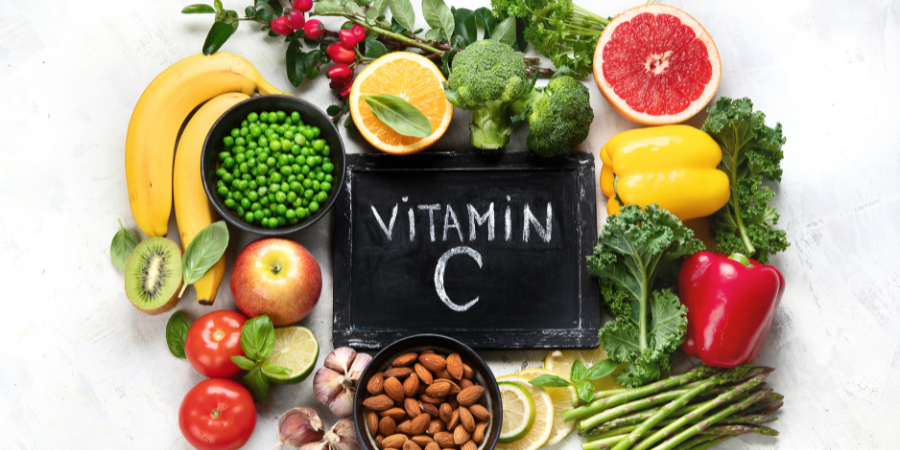
Vitamin C is highly found in many fruits as well as vegetables and could, thus, be incorporated into a balanced diet without a lot of difficult work. Oranges, lemons and grapefruits are just some of the most popular sources of citrus fruits. Nevertheless, lots of people are surprised to hear that there are other foods, which even have bigger content of Vitamin C.
One such example is guava which is also one of the richest sources of Vitamin C, and even has much more per serving than an orange.On the same note, the second alternative that is the best is kiwi, strawberries and papaya. Bell pepper (red in particular), broccoli, spinach, tomatoes and cabbage are some of the veggies that are rich in Vitamin C.
Raw foods and vegetables in particular contain the vitamin C when compared to cooked foods as heating may cause the concentration of Vitamin C to be low. This is why people are normally urged to consume fruits and salads in raw form. That notwithstanding, even lightly cooked vegetables can be of great help.
Supplements come in form of tablets or powder in form to those who have difficulty in obtaining enough Vitamin C by diet. Nevertheless, where it is possible, it is always better to give more emphasis on the sources which are natural.
How Much Vitamin C Do You Need?
The age, gender and health of an individual determine the daily consumption of Vitamin C. In the average adult the daily amount should be approximately 75-90 milligrams. Women who are pregnant and those who are breastfeeding might require higher doses whereas smokers need more due to the fact that smoking depletes the Vitamin C in the body.
The lower the age of the child, the lower the amount of Vitamin C they require, but Vitamin C is equally important to a child in terms of growth and immunity. It is also important to the older people because older age can lead to a lower rate of absorption and utilization of nutrients by the body.
Vitamin C is a water-soluble vitamin, and any excess vitamin is typically excreted by the urine, though in extreme instances, side effects would be experienced by the patient including stomach upsets or kidney stones. As such, it is good to adhere to the recommended limits unless other advised by a doctor.
It would be well to conduct regular health checkups and blood tests in health centres such as Chandan Diagnostic Centre to know whether you are getting the nutritional requirements or require some supplements.
The Vitamin C Benefit: Why it is Good in the Long Term?
In general wellb eing and disease prevention, vitamin C plays an important role in the long run. It has an antioxidant effect which can be applied in reducing the oxidative stress which plays a role in the occurrence of chronic diseases such as heart disease, diabetes, and cancer. Vitamin C helps in the healthy aging and longevity by guarding cells against destruction.
To have a healthy heart, Vitamin C contributes to the healthy circulation of blood and lessening inflammations. Research indicates that individuals who consume high amounts of Vitamin C might risk reduced chances of hypertension and heart attack.
Vitamin C is also useful in the health of skin. It is used to minimise wrinkles, enhance skin texture as well as defending against sun damage. This is why so many skincare products include Vitamin C, though it is also essential to have it in a diet.
Vitamin C is also beneficial in mental health in terms of neurotransmitters such as serotonin, which influence moods and stress levels. Individuals who have sufficient Vitamin C have been found to report a higher level of energy and emotional stability.
Tips to Get Enough Vitamin C
Adding Vitamin C to your routine will not be a hard task. The easiest thing to do is to add at least one fruit with Vitamin C in your breakfast like orange or guava and kiwi. One can also add lemon juice to water or salads to consume more of them.
The second best option that can be used to fulfill the daily needs is to add colorful vegetables such as bell peppers, broccoli and tomatoes to the meals. Berry and citrus fruit smoothies may be healthy and good at the same time.
To the busy people, it may be advisable to have a small store of Vitamin C tablets or chewables so as to maintain uniformity. Yet, total reliance on the supplements is not a perfect option because whole foods have other types of nutrients and fibers.
Health checking is also necessary regularly. Taking regular checkups in a reputable facility such as Chandan Diagnostic Centre will also help in monitoring the level of vitamins and general health condition.
Conclusion
Vitamin C is much more than a cold fighting nutrient. It is essential in immunity, skin structure, wound healing, and the protection of the heart and the general wellbeing. The lack of it may result in severe health problems, whereas a healthy dose helps to maintain good health over time and avoid illness.
Taking vitamin C laden food to your diet and monitoring your nutritional status, i.e., by conducting regular tests at such accredited diagnosis centres as Chandan Diagnostic Centre is a big step to healthier living.
With the information about the significance of Vitamin C, you will be able to make better eating habits and achieve another level of health.
Get in touch for any enquiry

We will contact you shortly.


