
Top 10 Reasons for Lower Back Pain and Effective Ways to Find Relief
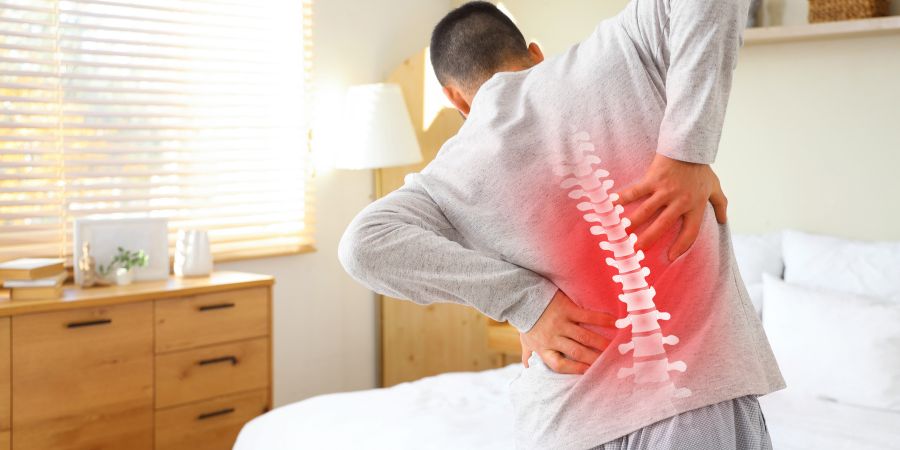
It is one of the most prevalent health issues in the world and affects people of every age and lifestyle and is one of the types of lower back pain. Lower back pain can simply appear on a whim and hinder your daily activities whether you're sitting a lot, or busy with labor-intensive tasks, or maintaining a somewhat active lifestyle. Some may recover with rest and lifestyle adjustments while others may be a symptom of a more serious spinal or muscle problem that needs attention.
The weight of the body is carried mostly in the lower back, and also provides mobility, flexibility and balance. This segment is continually exposed to tension and is particularly prone to injury, muscle tension and getting old. Through the knowledge of symptoms, causes and the treatment, an individual could take steps timely and forestall the possible complications.
What Is Lower Back Pain and Why Does It Happen?
Low back pain is any pain, stiffness or soreness in the lower back. It may occur suddenly when throwing a heavy item or after a while from the strain of repeated picking up items, poor posture or from a pre-existing disease.
One of the most frequent is the Lower Back Muscle Pain that is caused whenever muscle or ligaments are over stretched or hurt. But it's not always the muscles that cause back pain. Spinal disc issues, as well as spinal joint, nerve or spine problems, can lead to chronic pain.
Lower back pain can be different for each person. Some may suffer from minor pain that subsides after a few days, while others suffer from persistent symptoms which may have an impact on walking, sleeping and living. Before finding a way to relieve pain effectively, it is important to understand what is causing the pain.
Early Symptoms and Warning Signs of Lower Back Pain
A backache in the lower region may start with seemingly mild symptoms that aren't that hard to overlook. Mild stiffness or discomfort is the first thing a person may notice after sitting or standing for long periods of time, or walking for an extended time. Symptoms can worsen and intensify with the passage of time.
Many people get lower back pain that is tight and tightens during exercise. Some may find it difficult to bend, lift and carry. Sometimes the pain may radiate to the hips, buttocks and/or legs, particularly if they impinge on nerves.
There are some 'red flags' that cannot be ignored. If the pain doesn't go away after a few weeks, if numbness or weakness in the legs is present, if it is difficult to walk or if the pain restricts an individual's daily activities, they may have an underlying spinal condition. Medical evaluation as early as possible can prevent complications and aid quicker recovery
Most Common Causes Behind Lower Back Pain
There are many factors that can cause lower back pain, and sometimes it's a combination of factors. Lower Back Muscle Pain is one of the most common reasons, as improper lifting technique, sudden twisting motions, over-exertion while exercising, or repeated movements cause this to happen. Inflammation, stiffness and serious pain can result from muscle strains and ligament injuries.
Slouching is also a major factor in back pain with today's sitting population. Lower back stress can result from sitting at a desk, using a computer or cell phone for long periods of time without adequate support. This over time may impact on the position of the spine and cause chronic pain.
A second common cause is problems with the discs in the spine. Irritated nerves in the area can lead to pain beyond the lower back, from other disc herniations and degenerative disc disease. A few people may have sciatica that causes pain down their legs from the hips and buttocks.
Arthritis, spinal stenosis, and other age-related problems can impact your spine's health, too. These can cause inflammation, a tightening of the spinal canal, loss of flexibility and constant pain. Another effect that can occur with osteoporosis is a weakened spine, making it more likely that fractures will develop as a source of chronic pain.
Behavioral factors are no exception either. Being overweight adds extra stress on the spine, and being inactive can cause the muscle supporting the spine to weaken. Falls, sports or road accidents that occur in the past may also cause long-term back issues if not diagnosed and treated well.
Lifestyle and Health Risk Factors for Back Pain
There are a number of lifestyle choices and health issues that can make a person more susceptible to Common Back Pain Problems. Long periods of inactivity is one of the biggest risk factors. As the muscles that hold the spine in place weaken, the lower back has to take on the brunt of the stress in everyday activities.
Obesity is also an important factor. Extra weight can put a strain on the lower back and increase the rate of damage to these areas. Smoking has also been associated with back pain as it affects the blood supply to the tissues of the spine, making it hard for these tissues to heal and function normally.
Stress and/or anxiety related to increased tension throughout the body can also worsen back pain and result in indirect over contribution. In addition, there are changes on the spine associated with ageing that might start to cause pain and stiffness. Individuals who have had a spinal injury before, diabetes, osteoporosis or arthritis might be more susceptible to current back issues.
There are lots of things you can do to lower your risk of developing chronic back pain with good posture, activity and a healthy weight and managing stress.
Best Treatment Options for Lower Back Pain Relief
The most effective treatment to lower back pain is dependent on the cause of the back pain. Conservative treatment and lifestyle changes are often effective to derive relief from many.
Physical therapy may be one of the most beneficial treatments as it can help build up the muscles that support the spine and increase flexibility. Specific exercises may alleviate the stress on the lower back and also help ward off future back pain. Good workstation ergonomics and posture also can have a significant impact.
Medications for pain or anti-inflammatory, or rehabilitation programs, may be recommended based on the severity of symptoms. Treatment such as injections into the spine or surgery may be an option in some instances if the compression of nerves or a structural problem is present.
A Diagnostic Test for Lower Back Pain is a test that is often recommended before starting treatment to identify the exact cause of the issue. A proper diagnosis leads to the appropriate treatment, which in turn helps to tackle the cause of the problem, not just the symptoms.
How Chandan Diagnostic Centre Helps in Back Pain Diagnosis and Care
Since the issue of lower back pain is very complex, it is important to diagnose the condition properly. Many spinal and muscular diseases have similar symptoms and a thorough imaging evaluation and diagnosis may be required.
Chandan Diagnostic Centre has comprehensive diagnostic services that help in the evaluation of the spinal and musculoskeletal problems. The advanced imaging technology enables healthcare providers to better evaluate the spine, nerves, discs and surrounding tissue.
Those with chronic pain may be asked to have an MRI of the Lower Back to get a detailed look at soft tissues, nerves and spinal discs. A CT Scan for Back Pain might be suggested to check bones, fractures and other abnormalities in some cases. A thorough Spine Diagnosis Test can detect a variety of conditions, including nerve compression, herniated discs, spinal stenosis and degenerative changes.
Those looking for an MRI Scan for Back Pain near Me tend to look for advanced imaging technology, the experience of their radiologists and the speed of their reports. Chandan Diagnostic Centre is a trusted Diagnostic Test for Lower Back Pain that helps healthcare professionals obtain accurate diagnostic data which can aid in proper treatment planning. It is also regarded as one of the Best Diagnostic Centre for spine pain owing to their commitment towards Quality Diagnostics and personalized treatment of the patient.
Conclusion
Lower back pain is a very common health condition affecting the quality of one's life, mobility and wellbeing. Some of the most common causes include poor posture and muscle strains, but muscle, nerve and spinal conditions or arthritis and lifestyle can be a factor in chronic pain.
It is important to inform them that timely detection and assessment can go a long way towards recovery. Many Common Back Pain Problems have similar symptoms and therefore it is imperative to catch what is causing the pain correctly in order to find the Best Treatment for Lower Back Pain.
Advanced imagery like MRI for Lower back pain and CT scan for Back Pain can assist the health care provider to create a tailored therapeutic plan. Chandan Diagnostic Centre's advanced imaging technology and reliable diagnostic services continue to help patients reach an accurate diagnosis, timely treatment and long-term spinal health.
Get in touch for any enquiry

We will contact you shortly.


